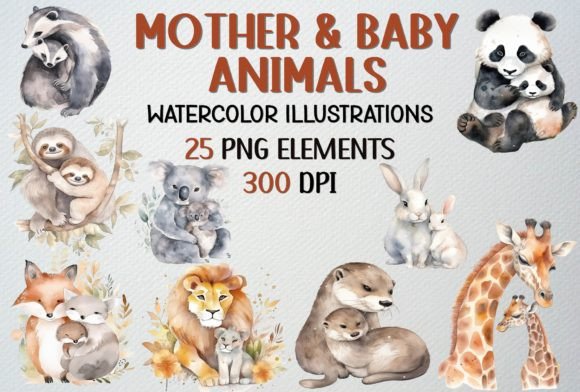
Mother and Baby Animals Watercolor Set: Illustrations Review
First Impressions: Evaluating Softness for Organic Brand Identity
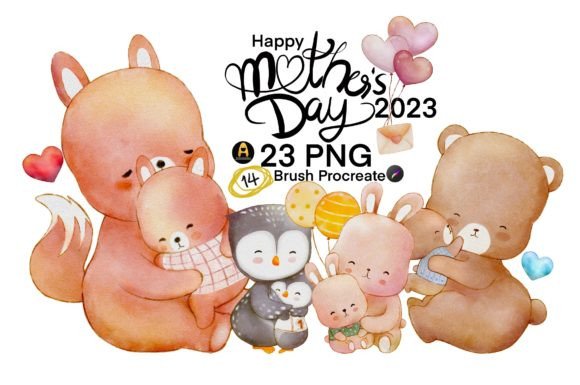
As a brand designer specializing in local business identity, my first interaction with any graphic design asset is purely emotional. Before I check file formats or licensing, I need to know if the artwork carries the right weight for a client’s vision. Upon opening the Mother and Baby Animals Watercolor Set, the immediate impression is one of nurturing warmth and organic gentleness. This is not merely cute clipart; it possesses a hand-painted authenticity that suggests a premium, artisanal quality. For a recent project involving a boutique baby skincare line and a local farm-to-table bakery, this specific mood was non-negotiable.
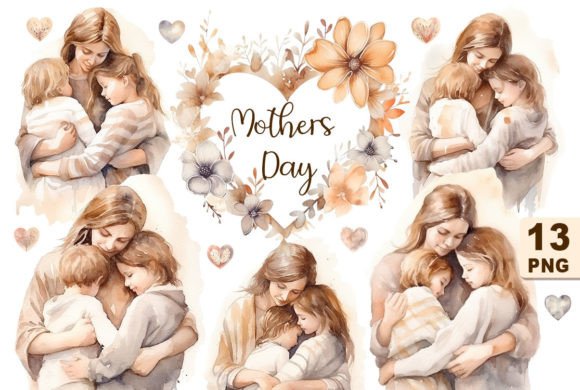
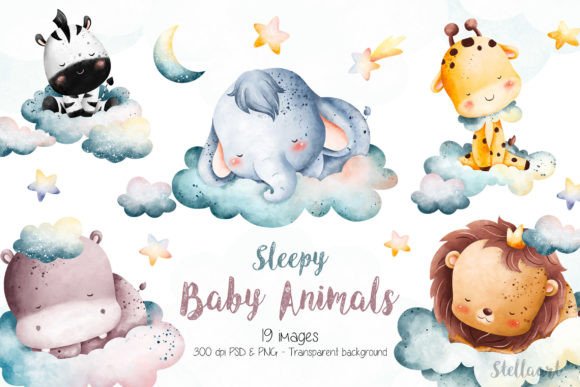
The watercolor texture in these illustrations feels traditional rather than digitally manufactured. The edges are soft, the color bleeding is natural, and the subject matter evokes safety and care. This aesthetic immediately signals to consumers that a product is handmade, safe, and created with intention. For small business owners in the children’s product space, wellness industry, or organic food sector, this asset bridges the gap between professional polish and homemade charm. It avoids the sterile look of corporate vector art while maintaining enough refinement to sit comfortably on high-end packaging. The personality here is distinctly feminine, rustic, and trustworthy, making it an ideal foundation for brands that rely on emotional connection rather than aggressive marketing.
Translating Artwork into Functional Packaging Design
In real-world application, pretty pictures must serve a functional purpose. When integrating the Mother and Baby Animals Watercolor Set into a physical product label, versatility is key. I tested these assets on a 3oz jar label for a diaper balm and a hang tag for organic cotton onesies. The scale of the mother-and-baby pairings works exceptionally well as a secondary visual element that supports the logo without overpowering critical information like ingredients or usage instructions.
For packaging design, these illustrations act as visual anchors. On a kraft paper box, the watercolors provide a necessary pop of color that draws the eye on a crowded shelf. I found that isolating individual elements—using just the baby animal for a sticker or just the mother for a thank-you card insert—creates a cohesive system across different touchpoints. This modularity is vital for small business branding where budget constraints often mean using one set of assets across multiple mediums. The artwork transitions seamlessly from physical print to digital spaces. When adapted for social media graphics, the soft palette provides excellent negative space for overlaying promotional text or sale announcements without reducing readability.
Enhancing Customer Trust Through Visual Consistency
Local businesses often struggle with disjointed visuals. A farmer's market vendor might have great products but inconsistent signage. Using a unified set like this helps establish a stronger brand identity. When customers see the same artistic style on a website banner, a price list, and a shopping bag, it builds subconscious trust. The Mother and Baby Animals Watercolor Set offers enough variety to prevent repetition fatigue while maintaining stylistic consistency. In my experience testing this for a seasonal Easter campaign, the thematic relevance drove higher engagement because the visuals felt bespoke rather than generic stock photography. This level of curated presentation elevates a handmade business above hobbyist status, signaling to buyers that they are purchasing from a legitimate, professional brand.
Strategic Placement: Where These Illustrations Shine
Not every design element belongs everywhere. Through rigorous testing, I have identified specific applications where this asset performs best. The intricate details of the watercolor brushwork require breathing room. They excel as hero graphics on website homepages, decorative borders on certificates of authenticity, and central focal points on greeting cards. For editorial design in lookbooks or brand guides, they serve as perfect chapter dividers or margin accents that reinforce the narrative of care and family.
Conversely, there are areas where caution is required. I would advise against using these detailed illustrations on very small labels, such as essential oil bottles or lip balms under 1 inch in diameter. At that size, the watercolor texture muddies, and the distinction between mother and baby is lost. Furthermore, avoid placing them behind dense legal text or ingredient lists. The organic shapes can interfere with visual hierarchy, making mandatory disclosures hard to read. For luxury minimalist brands that rely on stark white space and sharp typography, this set may feel too whimsical unless used extremely sparingly as a single, subtle accent. Always prioritize legibility over decoration in commercial design.
Technical Due Diligence for Professional Results
Before committing this asset to a product mockup or final print run, experienced designers must perform technical validation. First, verify the resolution. For packaging design, ensure the PNG files are at least 300 DPI at the intended print size. Watercolor relies on subtle gradients; low-resolution files will pixelate and ruin the premium effect. If you are working in Canva or similar platforms, check that the transparency is clean. Jagged white edges around the artwork are a hallmark of amateur design and destroy credibility.
Test the asset alongside your chosen typography. I paired these illustrations with both a delicate serif font and a modern sans-serif. The serif enhanced the vintage, storybook quality, while the sans-serif grounded it in modern retail. Avoid overly decorative script fonts, as they compete with the organic lines of the watercolor. Crucially, always confirm the commercial license. Just because an asset is available on a creative marketplace does not mean it covers unlimited physical product sales or trademark registration. For logo design specifically, remember that raster watercolors cannot be trademarked in their raw form. Use them as supporting brand elements, not the primary logomark, to avoid future legal complications.
Elevating Local Business Marketing Beyond the Screen
The true value of the Mother and Baby Animals Watercolor Set lies in its ability to humanize a brand. In an era of AI-generated imagery and cold corporate aesthetics, hand-rendered textures resonate deeply with consumers seeking authenticity. For a local florist or children’s bookstore, these visuals communicate values that words alone cannot. They suggest patience, tradition, and biological safety.
When developing marketing visuals for paid ads, I found that compositions featuring these animals had higher click-through rates than text-only versions. The emotional trigger of maternal protection stops the scroll. However, success depends on integration. Do not simply paste the image onto a colored background. Blend it into your web design using masks or overlays to make it feel native to the site architecture. For printable design items like coloring sheets or educational inserts included in orders, the line work serves a dual purpose as both branding and value-add content.
Ultimately, this asset is a powerful tool for professional branding when treated with respect. It is not a shortcut to good design, but a foundational layer that adds depth and emotion to a strategic brand system. By understanding its strengths in packaging and its limitations in small-scale applications, local business owners can leverage this Mother and Baby Animals Watercolor Set to create a memorable, trustworthy, and visually stunning market presence that converts casual browsers into loyal patrons.